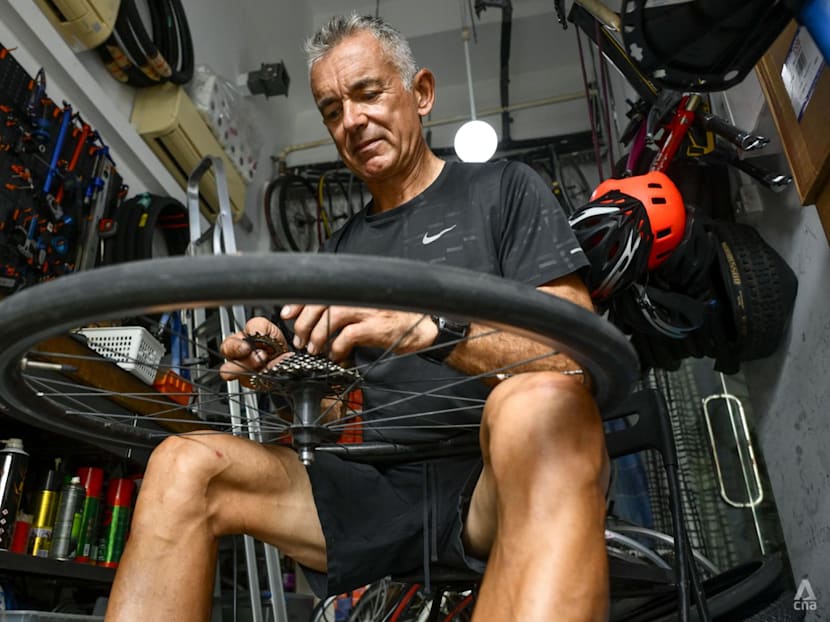
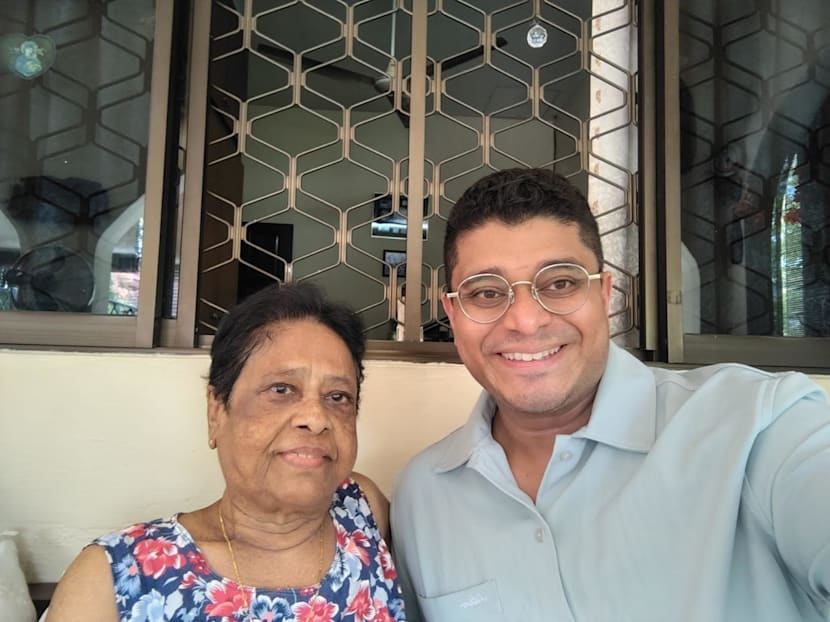
The persistent malaise among employees cannot be fixed by wellness perks but by managers who actually listen.
͏ ͏ ͏ ͏ ͏ ͏ ͏ ͏ ͏ ͏ ͏ ͏ ͏ ͏ ͏ ͏ ͏ ͏ ͏ ͏ ͏ ͏ ͏ ͏ ͏ ͏ ͏ ͏ ͏ ͏ ͏ ͏ ͏ ͏ ͏ ͏ ͏ ͏ ͏ ͏ ͏ ͏ ͏ ͏ ͏ ͏ ͏ ͏ ͏ ͏ ͏ ͏ ͏ ͏ ͏ ͏ ͏ ͏ ͏ ͏ ͏ ͏ ͏ ͏ ͏ ͏ ͏ ͏ ͏ ͏ ͏ ͏ ͏ ͏ ͏ ͏ ͏ ͏ ͏ ͏ ͏ ͏ ͏ ͏ ͏ ͏ ͏ ͏ ͏ ͏ ͏ ͏ ͏ ͏ ͏ ͏ ͏ ͏ ͏ ͏
Dear readers,
Singapore's economy may be performing well, but many workers aren't thriving.
A new report by the Singapore Institute of Directors and analytics firm Gallup found that just 14 per cent of employees here feel engaged at work, well below the Southeast Asian average of 25 per cent and the global average of 20 per cent.
What are Singapore's organisations getting wrong? Has anyone found a solution?
For this week's Big Read, CNA TODAY spoke to leaders and workers at companies that have successfully turned things around.
Their experiences suggest that boosting engagement isn't about free lunches or wellness perks, but about listening to employees, equipping managers to lead better, acting on difficult feedback and giving people opportunities to grow.
It sounds straightforward enough, but experts say it's not always easy for companies to put into practice.
Nonetheless, it's an effort worth making: Getting this right matters not just for corporate bottom lines, but for Singapore's economy, as an ageing workforce and rapid disruption will require workers to feel and do their best to compete with their regional counterparts.
Yours faithfully,
Yasmine Yahya
Deputy Chief Editor, CNA Digital (TODAY, Lifestyle & Luxury)
|
|
|
|
ADVERTISEMENT
 |
|
|
ADVERTISEMENT
 |
|
|
|
|
|