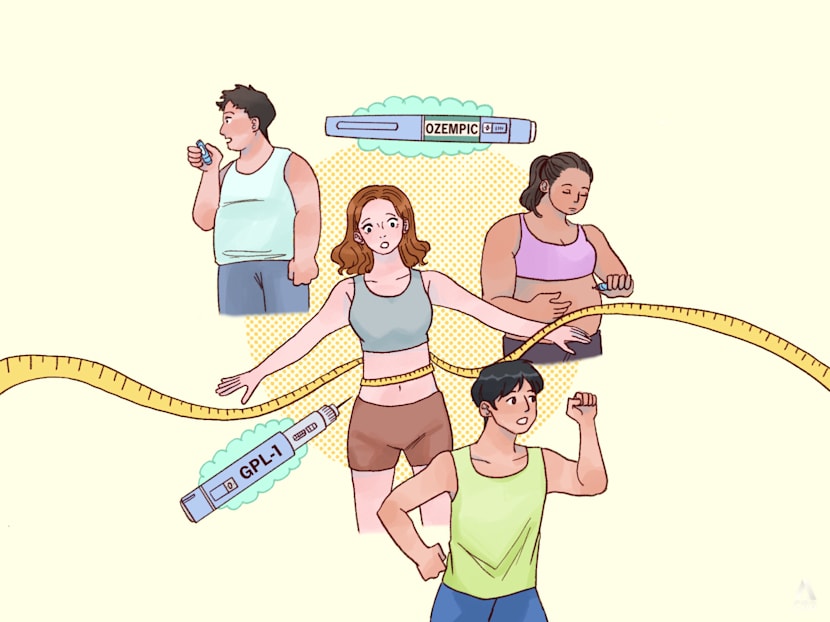
These drugs can have serious side effects, from constipation to depression and even suicidal thoughts.
͏ ͏ ͏ ͏ ͏ ͏ ͏ ͏ ͏ ͏ ͏ ͏ ͏ ͏ ͏ ͏ ͏ ͏ ͏ ͏ ͏ ͏ ͏ ͏ ͏ ͏ ͏ ͏ ͏ ͏ ͏ ͏ ͏ ͏ ͏ ͏ ͏ ͏ ͏ ͏ ͏ ͏ ͏ ͏ ͏ ͏ ͏ ͏ ͏ ͏ ͏ ͏ ͏ ͏ ͏ ͏ ͏ ͏ ͏ ͏ ͏ ͏ ͏ ͏ ͏ ͏ ͏ ͏ ͏ ͏ ͏ ͏ ͏ ͏ ͏ ͏ ͏ ͏ ͏ ͏ ͏ ͏ ͏ ͏ ͏ ͏ ͏ ͏ ͏ ͏ ͏ ͏ ͏ ͏ ͏ ͏ ͏ ͏ ͏ ͏
Dear readers,
In recent years, GLP-1 drugs, the most well-known of which is Ozempic, has revolutionised the treatment of serious health conditions ranging from diabetes and obesity to heart disease and polycystic ovary syndrome (PCOS).
But for many, the drugs have become more commonly associated with stories of Hollywood celebrities’ rapid weight loss.
As a result, rising numbers of people are asking their doctors if they can be prescribed a GLP-1, not to treat chronic conditions but simply to shed a few pounds.
In Singapore, strict rules around who can be prescribed such medication mean that those within the normal body mass index (BMI) range and have no underlying health conditions will be turned away.
Doctors also warn that these drugs can have serious side effects, even for those using them legitimately. These can include constipation, fatigue and even depression and suicidal thoughts.
For this week’s Big Read, CNA TODAY spoke to Singaporeans who have had first-hand experience using these drugs, and how they have changed their lives for the better and worse.
We also spoke to professionals about how the Ozempic phenomenon raises bigger questions about how we think about weight, body image and self-worth. Read on to find out more.
Yours faithfully,
Yasmine Yahya
Deputy Chief Editor, CNA Digital (TODAY, Lifestyle & Luxury)
|
|
|
|
ADVERTISEMENT
 |
|
|
ADVERTISEMENT
 |
|
|
|
|
|