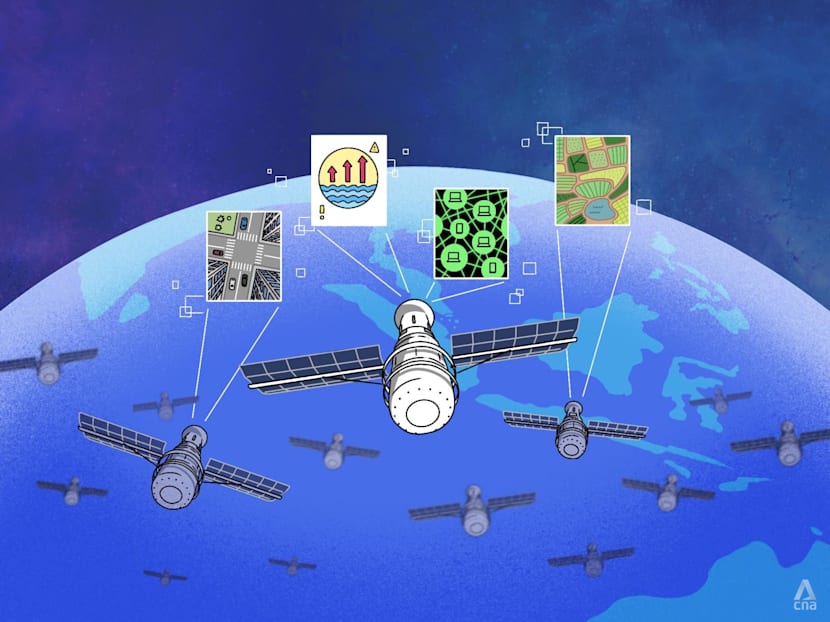
As space has become democratised, more countries are trying to claim their stakes in orbit.
͏ ͏ ͏ ͏ ͏ ͏ ͏ ͏ ͏ ͏ ͏ ͏ ͏ ͏ ͏ ͏ ͏ ͏ ͏ ͏ ͏ ͏ ͏ ͏ ͏ ͏ ͏ ͏ ͏ ͏ ͏ ͏ ͏ ͏ ͏ ͏ ͏ ͏ ͏ ͏ ͏ ͏ ͏ ͏ ͏ ͏ ͏ ͏ ͏ ͏ ͏ ͏ ͏ ͏ ͏ ͏ ͏ ͏ ͏ ͏ ͏ ͏ ͏ ͏ ͏ ͏ ͏ ͏ ͏ ͏ ͏ ͏ ͏ ͏ ͏ ͏ ͏ ͏ ͏ ͏ ͏ ͏ ͏ ͏ ͏ ͏ ͏ ͏ ͏ ͏ ͏ ͏ ͏ ͏ ͏ ͏ ͏ ͏ ͏ ͏
Dear readers,
When we think of the space race, many of us picture the 1960s – superpowers locked in a Cold War rivalry, rockets roaring skyward and astronauts planting flags on the moon. But today's space industry is much less about national prestige and more about data gathering and getting a slice of a growing economic pie. In Vietnam, for example, the government uses satellite data to better respond to storms, while Indonesia uses satellite data for flood defences and infrastructure planning. Countries are also elbowing their way into space-related manufacturing and services. Amid these developments, Singapore announced earlier this month that it will establish the National Space Agency of Singapore to seize opportunities in the expanding space economy. Experts say that Singapore's advanced engineering, manufacturing and logistics capabilities will put it in good stead to become a major player in the global space industry. As the industry races toward a projected US$2 trillion by 2040, the real competition is no longer just about building the biggest rocket, but about who can turn space capabilities into tangible value on Earth. In this week's Big Read, CNA TODAY takes a look at what it will take for countries to get ahead in the new space race.
Yours faithfully,
Yasmine Yahya
Deputy Chief Editor, CNA Digital (TODAY, Lifestyle & Luxury)
|
|
|
| ADVERTISEMENT  | | |
|
|
| ADVERTISEMENT  | | |
|
|
| Mediacorp Pte Ltd, 1 Stars Avenue, Singapore 138507 | | |
|
|
|