Dear readers,
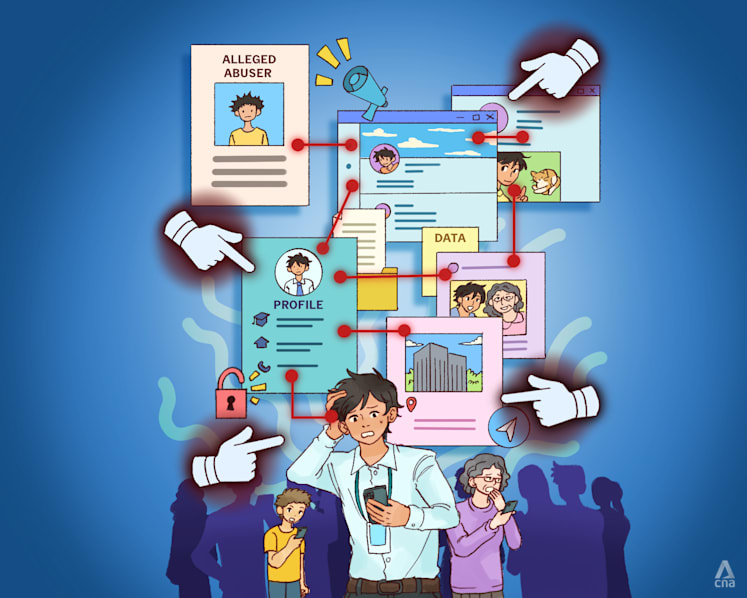
When we think of doxxing, we might imagine someone deliberately publishing another person’s address, phone number or other private details online, and calling on the online mob to take action.
In reality, however, doxxing, which became illegal in Singapore from 2020, can take many forms, and early data from the newly created Online Safety Commission (OSC) shows it has become the top complaint among those who have reported online harms.
Of the online harms the OSC helps to target, including intimate image abuse, online stalking and online harassment, doxxing has emerged as the top concern so far, making up 44 per cent of reports.
The youngest victim OSC saw was a seven-year-old who was doxxed, while the oldest victim was a 68-year-old who faced online harassment.
The commission also received a roughly equal number of complaints from both men and women.
Experts say that with the wealth of personal data people share about themselves online, doxxing has simply become easier and more commonplace.
Sometimes, all it takes is a name, a photograph or a few seemingly harmless clues for internet sleuths to piece together someone’s identity.
And it's a trend that's unlikely to go away until internet users wise up to the harmful consequences of participating in an online mob.
This week’s Big Read examines how doxxing has evolved from a relatively niche practice into something anyone can fall victim to, and how an angry post or well-intentioned call-out can quickly take on a life of its own once an online crowd gets involved.
CNA also spoke to some of the real people who have been affected by doxxing – and how they are still grappling with the scars long after the internet moved on.
Yours faithfully,
Yasmine Yahya
Deputy Chief Editor, CNA Digital (Commentaries, Features, Lifestyle & Luxury)