And it looks like we'll just have to get used it.
͏ ͏ ͏ ͏ ͏ ͏ ͏ ͏ ͏ ͏ ͏ ͏ ͏ ͏ ͏ ͏ ͏ ͏ ͏ ͏ ͏ ͏ ͏ ͏ ͏ ͏ ͏ ͏ ͏ ͏ ͏ ͏ ͏ ͏ ͏ ͏ ͏ ͏ ͏ ͏ ͏ ͏ ͏ ͏ ͏ ͏ ͏ ͏ ͏ ͏ ͏ ͏ ͏ ͏ ͏ ͏ ͏ ͏ ͏ ͏ ͏ ͏ ͏ ͏ ͏ ͏ ͏ ͏ ͏ ͏ ͏ ͏ ͏ ͏ ͏ ͏ ͏ ͏ ͏ ͏ ͏ ͏ ͏ ͏ ͏ ͏ ͏ ͏ ͏ ͏ ͏ ͏ ͏ ͏ ͏ ͏ ͏ ͏ ͏ ͏
Why taxi and ride-hailing fares keep rising – and why cheap rides may be behind us.
Dear readers,
These days, booking a taxi or ride-hailing service can feel rather painful on the wallet, especially if you're booking during rush hour or after midnight.
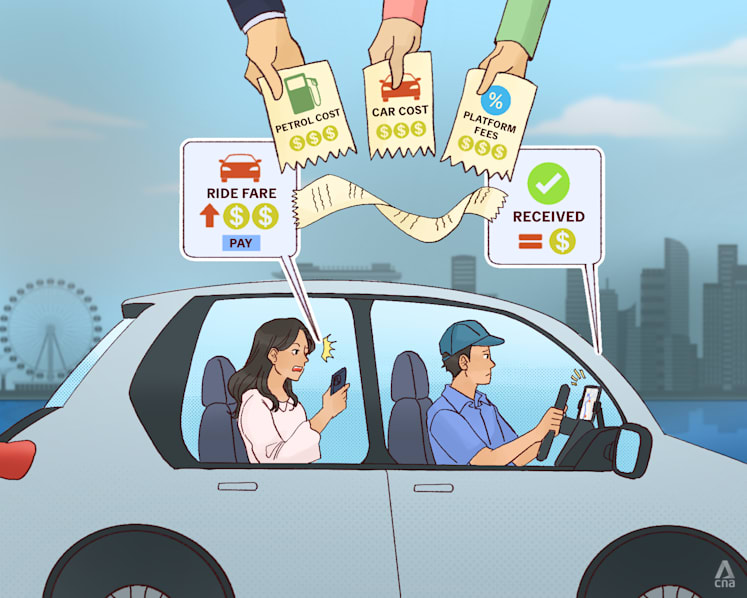
And no wonder – the cost of point-to-point (P2P) transport has surged by nearly 50 per cent over the past five years, far outpacing general inflation.
Higher fuel prices and vehicle costs, due to rising Certificate of Entitlement (COE) premiums are understandably part of the reason.
But another factor is rising platform fees and commissions levied by these P2P transport operators.
What are these funds being used for?
Experts who spoke to CNA noted that it's hard to tell how much of this money is being used by operators to invest in innovations or improve the welfare of their drivers, because transparency is still lacking, especially in the ride-hailing sector.
So in this week's Big Read, we unpack the economics behind increasingly expensive rides, and why the days of cheap ride-hailing are well and truly behind us.
Yours faithfully,
Yasmine Yahya
Deputy Chief Editor, CNA Digital (Commentaries, Features, Lifestyle & Luxury)
|
|
|
|
ADVERTISEMENT
 |
|
|
|
|
|
ADVERTISEMENT
 |
|
|
|
|
|