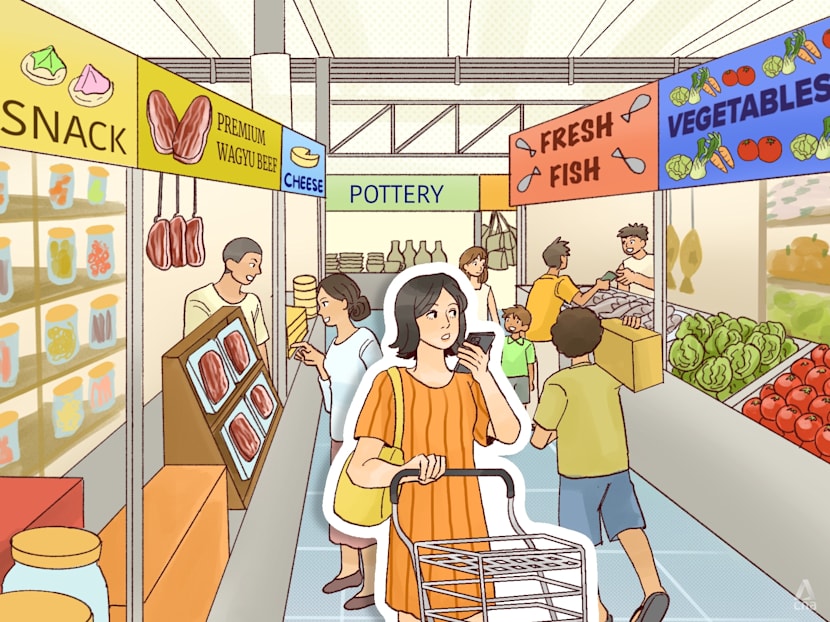
Wet markets are evolving to keep up with changing consumer tastes
͏ ͏ ͏ ͏ ͏ ͏ ͏ ͏ ͏ ͏ ͏ ͏ ͏ ͏ ͏ ͏ ͏ ͏ ͏ ͏ ͏ ͏ ͏ ͏ ͏ ͏ ͏ ͏ ͏ ͏ ͏ ͏ ͏ ͏ ͏ ͏ ͏ ͏ ͏ ͏ ͏ ͏ ͏ ͏ ͏ ͏ ͏ ͏ ͏ ͏ ͏ ͏ ͏ ͏ ͏ ͏ ͏ ͏ ͏ ͏ ͏ ͏ ͏ ͏ ͏ ͏ ͏ ͏ ͏ ͏ ͏ ͏ ͏ ͏ ͏ ͏ ͏ ͏ ͏ ͏ ͏ ͏ ͏ ͏ ͏ ͏ ͏ ͏ ͏ ͏ ͏ ͏ ͏ ͏ ͏ ͏ ͏ ͏ ͏ ͏
Dear readers,
For generations of Singaporeans, the wet market was the go-to for all groceries, and many of us likely grew up getting acquainted with the early-morning bustle of stallholders peddling wares to their regulars.
But the way we shop is changing. Younger Singaporeans are more accustomed to supermarkets, delivery apps and groceries arriving at the tap of a screen.
Wet markets are getting quieter, but in this week's Big Read, we find out that stallholders are not going down without a fight.
Many are adapting, offering WhatsApp orders, online storefronts, premium produce and ready-to-eat meal boxes and marinated meats.
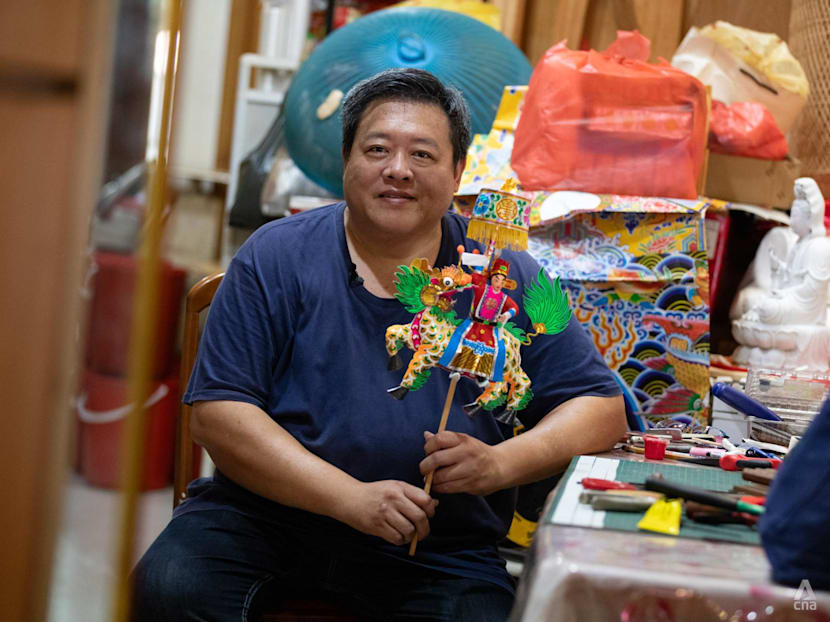
Here and there, new stalls are popping up, offering handmade pottery and premium coffee beans from around the world.
It looks like the dirty and noisy wet market of old is gradually evolving into a space for fresh premium produce and personalised service.
But what does that evolution mean for a cherished part of Singapore life?
Read this week's Big Read to find out.
Yours faithfully,
Yasmine Yahya
Deputy Chief Editor, CNA Digital (TODAY, Lifestyle & Luxury)
|
|
|
|
ADVERTISEMENT
 |
|
|
ADVERTISEMENT
 |
|
|
|
|
|