And why the rise of single households will have various policy implications
͏ ͏ ͏ ͏ ͏ ͏ ͏ ͏ ͏ ͏ ͏ ͏ ͏ ͏ ͏ ͏ ͏ ͏ ͏ ͏ ͏ ͏ ͏ ͏ ͏ ͏ ͏ ͏ ͏ ͏ ͏ ͏ ͏ ͏ ͏ ͏ ͏ ͏ ͏ ͏ ͏ ͏ ͏ ͏ ͏ ͏ ͏ ͏ ͏ ͏ ͏ ͏ ͏ ͏ ͏ ͏ ͏ ͏ ͏ ͏ ͏ ͏ ͏ ͏ ͏ ͏ ͏ ͏ ͏ ͏ ͏ ͏ ͏ ͏ ͏ ͏ ͏ ͏ ͏ ͏ ͏ ͏ ͏ ͏ ͏ ͏ ͏ ͏ ͏ ͏ ͏ ͏ ͏ ͏ ͏ ͏ ͏ ͏ ͏ ͏
Dear readers,
For most of his life, Shelton Chang had never really had a space to call his own. He shared a bedroom with two siblings until he was 28, then spent four years renting.
Now, at 32, he is finally preparing to move into a condominium of his own.
For 43-year-old single mother Farhana Ahmad Mashon, independence looks very different.
After raising six children while juggling work and caregiving, she is already thinking about the day her children move out – and wondering who will look out for her as she grows older.
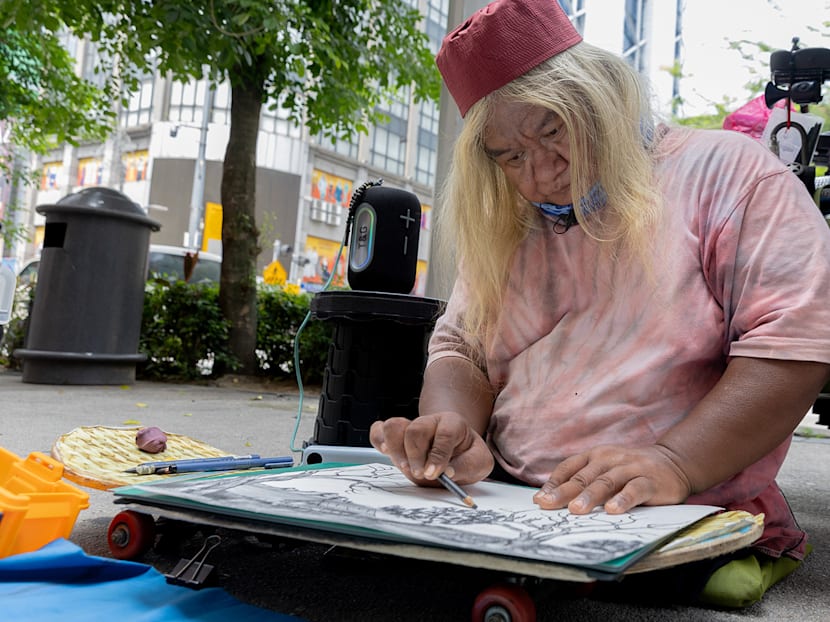
Their stories underscore just how diverse Singapore’s growing population of one-person households is.
They include younger singles seeking independence, divorcees and single parents rebuilding their lives, and seniors ageing on their own – each with different resources, responsibilities and support networks.
As one-person households become more common, CNA TODAY explores in this week's Big Read what this shift means for housing, caregiving and social support – and how Singapore might better support the many different ways people now live.
Yours faithfully,
Yasmine Yahya
Deputy Chief Editor, CNA Digital (TODAY, Lifestyle & Luxury)
|
|
|
|
ADVERTISEMENT
 |
|
|
ADVERTISEMENT
 |
|
|
|
|
|