Dear readers,
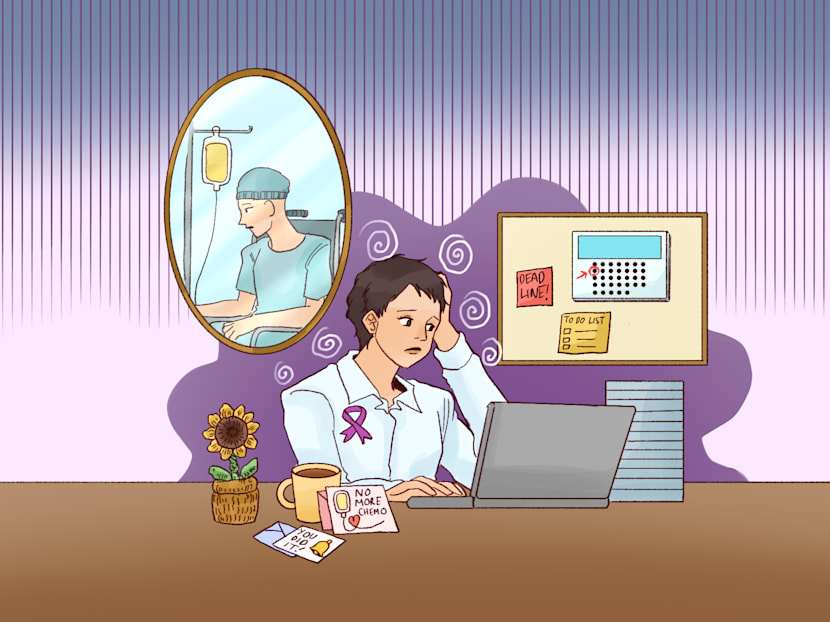
For survivors of a serious illness such as cancer, returning to work after completing their course of treatment can feel like a milestone, a sign that life is finally getting back to normal.
But many soon discover that it's yet another complicated phase of life to navigate.
A recent case that made headlines reflected this all too clearly: A woman who had been working for 17 years as an administrative assistant in an international school was forced to resign after she faced issues with her work-from-home arrangements following a battle with Stage 3 cancer.
The Employment Claims Tribunal awarded the woman S$20,000 (US$15,616).
Completing treatment does not mean a patient is fully recovered, as survivors tell CNA TODAY. For months or even years after their treatments, they feel easily fatigued and suffer from symptoms such as brain fog, dizziness or even numbness in their hands and feet.
Then there are the less visible hurdles: employers who underestimate what survivors can do, anxieties about taking medical leave, and the pressure to prove they can perform just as they did before.
For managers, it can be challenging to support an employee still coping with the lingering effects of disease while still needing to achieve operational targets.
But in this week's Big Read, we speak to those who have pulled this off, and find out how it can be done – and why it should be.
Yours faithfully,
Yasmine Yahya
Deputy Chief Editor, CNA Digital (TODAY, Lifestyle & Luxury)