Why national identity matters to brands, and how to retain it
͏ ͏ ͏ ͏ ͏ ͏ ͏ ͏ ͏ ͏ ͏ ͏ ͏ ͏ ͏ ͏ ͏ ͏ ͏ ͏ ͏ ͏ ͏ ͏ ͏ ͏ ͏ ͏ ͏ ͏ ͏ ͏ ͏ ͏ ͏ ͏ ͏ ͏ ͏ ͏ ͏ ͏ ͏ ͏ ͏ ͏ ͏ ͏ ͏ ͏ ͏ ͏ ͏ ͏ ͏ ͏ ͏ ͏ ͏ ͏ ͏ ͏ ͏ ͏ ͏ ͏ ͏ ͏ ͏ ͏ ͏ ͏ ͏ ͏ ͏ ͏ ͏ ͏ ͏ ͏ ͏ ͏ ͏ ͏ ͏ ͏ ͏ ͏ ͏ ͏ ͏ ͏ ͏ ͏ ͏ ͏ ͏ ͏ ͏ ͏
Dear readers,
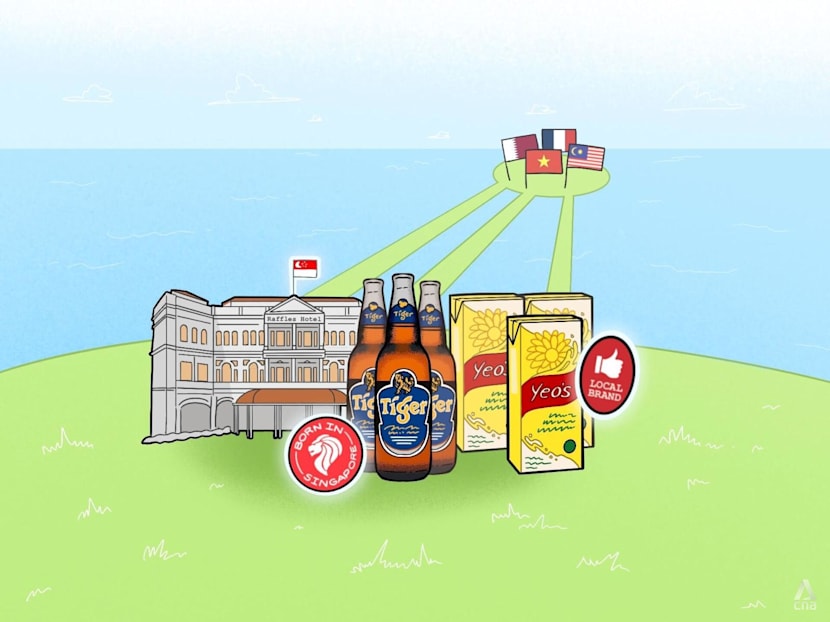
Tiger Beer has long been a fixture at coffee shops, family gatherings and shared memories across generations in Singapore.
So when news broke that its production will move completely offshore by end-2027, the reaction was swift and emotional.
And then barely a week later, Yeo Hiap Seng, the maker of Yeo’s beverages, said it would consolidate its can manufacturing in Malaysia.
The reality is that it makes economic sense for homegrown businesses to shift production overseas and more will inevitably do so.
Over the years, several national icons, including Raffles Hotel and Cold Storage, have been bought by foreign entities too.
But such moves don’t have to mean that the brands lose their Singaporean identity, experts say.
In this week’s Big Read, we explore how brands can still retain their local roots, even as they make corporate moves that take them away from home.
Yours faithfully,
Yasmine Yahya
Deputy Chief Editor, CNA Digital (TODAY, Lifestyle & Luxury)
|
|
|
|
ADVERTISEMENT
 |
|
|
|
|
|
ADVERTISEMENT
 |
|
|
|
|
Mediacorp Pte Ltd, 1 Stars Avenue, Singapore 138507 |
|
|
|
|
|