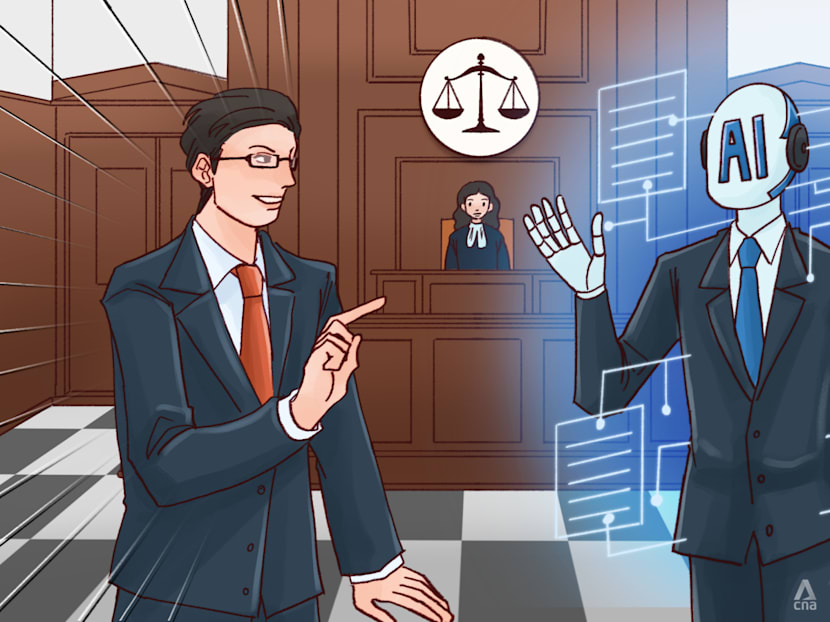
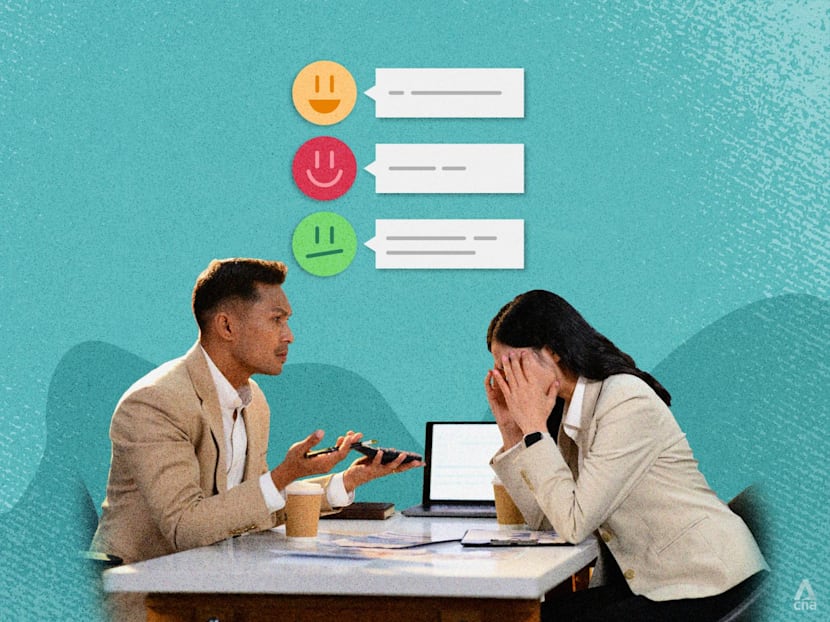
Young lawyers will thrive if they can leverage AI while sharpening the human-centric skills that technology cannot replicate, said experts.
͏ ͏ ͏ ͏ ͏ ͏ ͏ ͏ ͏ ͏ ͏ ͏ ͏ ͏ ͏ ͏ ͏ ͏ ͏ ͏ ͏ ͏ ͏ ͏ ͏ ͏ ͏ ͏ ͏ ͏ ͏ ͏ ͏ ͏ ͏ ͏ ͏ ͏ ͏ ͏ ͏ ͏ ͏ ͏ ͏ ͏ ͏ ͏ ͏ ͏ ͏ ͏ ͏ ͏ ͏ ͏ ͏ ͏ ͏ ͏ ͏ ͏ ͏ ͏ ͏ ͏ ͏ ͏ ͏ ͏ ͏ ͏ ͏ ͏ ͏ ͏ ͏ ͏ ͏ ͏ ͏ ͏ ͏ ͏ ͏ ͏ ͏ ͏ ͏ ͏ ͏ ͏ ͏ ͏ ͏ ͏ ͏ ͏ ͏ ͏
Dear readers, If you're a law student today, AI can summarise a 120-page case, suggest arguments and even draft submissions in a matter of minutes. The question is: Where does that leave you?
For many law undergrads, technology is both a lifeline and a source of unease — making studying more efficient while raising questions about how to prove their value as "grunt work" becomes automated.
Across Singapore's legal sector, firms are already investing heavily in tools that can test arguments, summarise judgments and prepare chronologies in a fraction of the time.
Hiring may not have fallen — but expectations are shifting. Junior lawyers are now expected to bring more to the table, sooner. In this week's Big Read, CNA TODAY explores how AI is reshaping the legal profession and what it means for the next generation stepping into it. Yours faithfully, Maria Almenoar
Supervising Editor, CNA Digital (Features) |
|
|
| ADVERTISEMENT  | | |
|
|
| ADVERTISEMENT  | | |
|
|
| Mediacorp Pte Ltd, 1 Stars Avenue, Singapore 138507 | | |
|
|
|